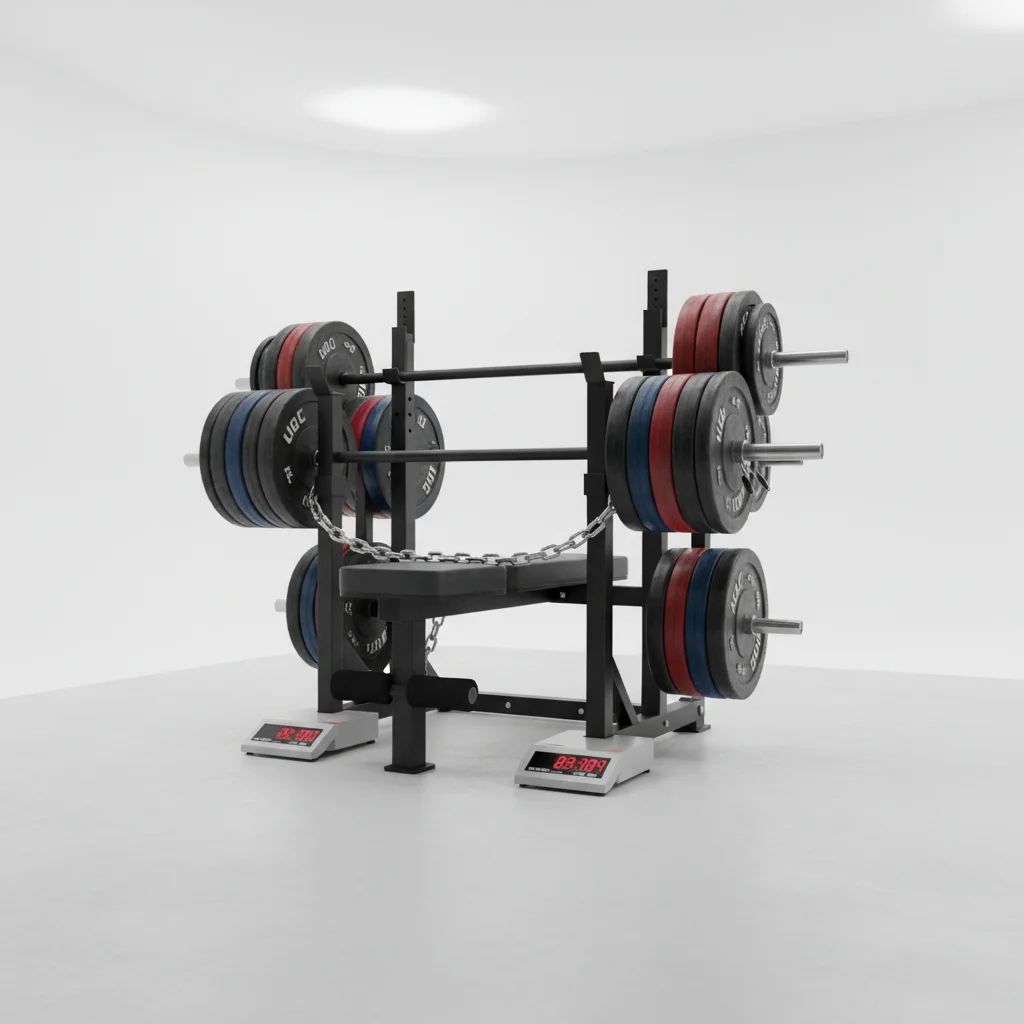
Understanding the weight capacity of a weight bench is crucial for both safety and effective training. Most standard home gym weight benches are designed to safely hold between 400 to 600 pounds, including both the user’s body weight and the weights being lifted. However, heavy-duty or commercial-grade benches can often support upwards of 1,000 pounds, while some budget models might be limited to 300 pounds.
Why Weight Capacity Matters for Your Safety
Exceeding a weight bench’s stated capacity can lead to catastrophic failure, resulting in serious injury. The capacity rating accounts for the structural integrity of the frame, the quality of the welds, the density of the padding, and the strength of the adjustment mechanisms. Always check the manufacturer’s specifications before purchasing and using any weight bench.
Understanding Static vs. Dynamic Load
Manufacturers typically provide a static weight capacity, which is the maximum load the bench can support when weight is applied slowly and without movement. However, during exercises like bench pressing, the load becomes dynamic due to movement and momentum. A good rule of thumb is to stay well within the static capacity, especially if your lifting style involves any sudden movements or drops.
- Always verify the manufacturer’s stated weight capacity.
- Consider your body weight plus your maximum lifting weight.
- Account for dynamic forces during exercise.
- Inspect the bench regularly for signs of wear or damage.
- Never exceed the recommended weight limit for any exercise.
Factors Influencing a Bench’s Weight Capacity
|
Our Picks for the Best Weight Bench in 2026
As an Amazon Associate I earn from qualifying purchases.
|
||
| Num | Product | Action |
|---|---|---|
| 1 | Adjustable Weight Bench - 1000LBS Capacity Heavy Duty Foldable Workout Bench for Full Body Exercise, Flat/Incline/Decline, Bench Press for Home Gym with Preacher Pad & Leg Extension |

|
| 2 | Marcy Multi-Purpose Adjustable Workout Utility Weight Bench for Full Body Upright, Incline, Decline, and Flat Exercise SB-228 , 42.00 x 26.00 x 48.00 inches, Black |
|
| 3 | Amazon Basics Adjustable Workout Weight Bench Press, Foldable for Home Gym, Black |
|
| 4 | Adjustable Weight Bench for Home Gym, Foldable Workout Bench for Full Body Fitness Dumbbell Exercise, 600LBS Incline Decline Flat Bench with Resistance Bands for Strength Training |
|
| 5 | CAP Barbell Multi-Purpose Adjustable Utility Strength Training Weight Bench | Multiple Options |
|
| 6 | Yoleo Adjustable Weight Bench for Full Body Workout; Foldable Bench Press Bench of Home Gym Strength Training; Incline Decline Flat Utility Workout Bench with Quick Folding& Fast Adjustment (Black) |
|
| 7 | Marcy Exercise Utility Bench for Upright, Incline, Decline, and Flat Exercise SB-261W , Black , 42.00 x 19.00 x 51.00 inches |
|
| 8 | Adjustable Weight Bench, Foldable Workout Benches for Home Gym, 10 Backrest Position Exercise Bench for Strength Training, Upgraded Thickened Steel Support Max Capacity 700LBs |
|
| 9 | Yoleo Adjustable Weight Bench, 660LB Foldable Workout Bench with Extended Head/Neck Protection/Spine Support for Bench Press, Fast Folding Incline Decline Flat Bench |
|
| 10 | Assemble-Free Foldable Weight Bench Press for Home Gym, 660 LBS Capacity Incline Decline, Sit-up Bench for Full-Body Strength Training |
|
Several design and material choices contribute to a weight bench’s overall capacity. The gauge of the steel tubing, the type of welding used, the thickness of the plywood or particle board supporting the padding, and the quality of the bolts and pins all play a significant role. Benches with wider bases and more robust frames generally offer higher capacities.
For those lifting very heavy, investing in a bench specifically rated for powerlifting or commercial use is a wise decision. These benches often feature thicker steel, reinforced joints, and more stable designs to handle extreme loads safely.
How to Safely Test Your Weight Bench’s Limits
While it’s never recommended to intentionally exceed a bench’s stated capacity, you can perform a simple visual inspection to gauge its sturdiness. Look for thick steel tubing, solid welds, minimal flex in the frame when pressure is applied, and secure adjustment pins. If a bench feels wobbly or unstable with just your body weight, it’s likely not suitable for heavy lifting.
Always err on the side of caution. If you’re unsure about a bench’s capacity or its ability to handle your lifting needs, it’s better to choose a model with a higher rating. Your safety should always be the top priority when selecting gym equipment.
