To safely clean and disinfect a weight bench, regularly wipe it down after each use with a dry microfiber cloth to remove sweat, and perform a weekly deep clean using mild soap and water, followed by a disinfectant like 70% isopropyl alcohol or gym-specific wipes. This routine prevents bacterial growth, rust, and material degradation, extending the bench’s lifespan and ensuring a hygienic workout environment.
Why Regular Cleaning and Disinfection are Essential
Your weight bench is a high-contact surface, frequently exposed to sweat, skin oils, and airborne dust during workouts. This accumulation can lead to several undesirable outcomes. First and foremost, it fosters the growth of bacteria, fungi, and viruses, which can contribute to unpleasant odors and increase the risk of skin infections. Beyond hygiene, sweat and moisture are corrosive, accelerating rust formation on metal components and causing deterioration of upholstery materials. Consistent cleaning prevents this breakdown, maintaining the structural integrity and aesthetic appeal of your bench for years to come.
Daily Routine: A Quick Wipe-Down After Every Workout
The simplest and most effective way to keep your weight bench in pristine condition is to perform a quick wipe-down immediately after each use. This habit prevents sweat and moisture from lingering on surfaces, which are primary culprits for material degradation and bacterial growth. Use a clean, dry microfiber cloth to absorb any visible sweat from the upholstery and frame. This initial step is crucial for preserving the material and finish of your bench before any grime has a chance to set in.
Weekly Deep Cleaning and Disinfection Protocols
While daily wiping is great for immediate sweat removal, a more thorough deep clean and disinfection should be performed weekly to eliminate deeper grime and sanitize surfaces effectively. This process targets unseen pathogens and ensures a truly hygienic workout space.
Begin by wiping down the entire bench surface with a solution of mild soap and warm water. A microfiber cloth or sponge works best for this, allowing you to pay close attention to crevices and seams where sweat and dirt often accumulate. Gently scrub all padded sections, the frame, and any other contact points.
For disinfection, several effective options are available. Disinfectant wipes specifically designed for gym equipment are a convenient choice, offering targeted germ-killing action. Alternatively, a solution of 70% isopropyl alcohol applied with a clean cloth is highly effective against a wide range of bacteria, viruses, and fungi, evaporating quickly without leaving residue. If using a spray disinfectant, apply it evenly to all contact surfaces. Crucially, always follow the product’s instructions regarding dwell time – the duration the disinfectant needs to remain wet on the surface to be effective – before wiping it dry or allowing it to air dry completely.
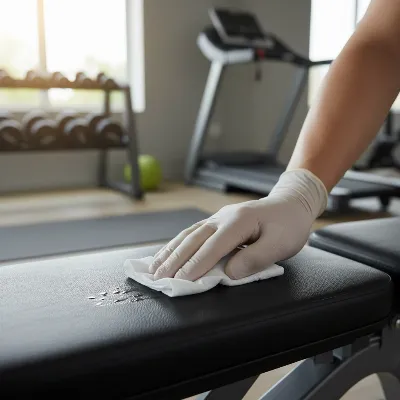 A person wiping down a weight bench with a disinfectant wipe after a workout.
It is vital to avoid certain cleaning agents that can damage your weight bench. Harsh chemicals, abrasive cleaners, and bleach can weaken the materials, discolor finishes, and crack upholstery over time. Specifically, avoid products containing “quaternary ammonium compounds” (quats) as active ingredients due to potential skin and respiratory health concerns. Similarly, while effective, strong alcohol or hydrogen peroxide solutions should be used with caution on upholstered surfaces, as they can dry out and degrade the material. When in doubt, mild soap and water remain the safest and most widely recommended solution for general cleaning.
Material-Specific Cleaning Guidance
|
Our Picks for the Best Weight Bench in 2026
As an Amazon Associate I earn from qualifying purchases.
|
||
| Num | Product | Action |
|---|---|---|
| 1 | Adjustable Weight Bench, Foldable Workout Benches for Home Gym, 10 Backrest Position Exercise Bench for Strength Training, Upgraded Thickened Steel Support Max Capacity 700LBs |

|
| 2 | Amazon Basics Adjustable Workout Weight Bench Press, Foldable for Home Gym, Black |
|
| 3 | Assemble-Free Foldable Weight Bench Press for Home Gym, 660 LBS Capacity Incline Decline, Sit-up Bench for Full-Body Strength Training |
|
| 4 | Yoleo Adjustable Weight Bench for Full Body Workout; Foldable Bench Press Bench of Home Gym Strength Training; Incline Decline Flat Utility Workout Bench with Quick Folding& Fast Adjustment (Black) |
|
| 5 | Adjustable Weight Bench for Home Gym, Foldable Workout Bench for Full Body Fitness Dumbbell Exercise, 600LBS Incline Decline Flat Bench with Resistance Bands for Strength Training |
|
| 6 | CAP Barbell Multi-Purpose Adjustable Utility Strength Training Weight Bench | Multiple Options |
|
| 7 | Adjustable Weight Bench - 1000LBS Capacity Heavy Duty Foldable Workout Bench for Full Body Exercise, Flat/Incline/Decline, Bench Press for Home Gym with Preacher Pad & Leg Extension |
|
| 8 | Yoleo Adjustable Weight Bench, 660LB Foldable Workout Bench with Extended Head/Neck Protection/Spine Support for Bench Press, Fast Folding Incline Decline Flat Bench |
|
| 9 | Marcy Multi-Purpose Adjustable Workout Utility Weight Bench for Full Body Upright, Incline, Decline, and Flat Exercise SB-228 , 42.00 x 26.00 x 48.00 inches, Black |
|
| 10 | Marcy Exercise Utility Bench for Upright, Incline, Decline, and Flat Exercise SB-261W , Black , 42.00 x 19.00 x 51.00 inches |
|
Weight benches are constructed from various materials, each requiring a tailored cleaning approach to ensure longevity and prevent damage.
- Vinyl and Synthetic Leather Upholstery: These are the most common materials and are generally easy to clean. Use a damp cloth with mild soap and water, then dry thoroughly. For stubborn stains, a paste made of mild soap and baking soda can be gently scrubbed onto the area before wiping clean. Avoid excessive moisture, harsh chemicals, or strong alcohol solutions that can dry out, crack, or discolor the material. Pay extra attention to seams, cleaning them gently without scrubbing too hard to avoid damaging the stitching.
- Genuine Leather Upholstery: Leather requires a more delicate touch. Use a specialized leather cleaner designed for fitness equipment or furniture, and apply it sparingly with a soft cloth. Avoid saturating the leather with water or any cleaning solution, as excessive moisture can cause irreversible damage.
- Fabric Upholstery (less common): If your bench has fabric upholstery, start by vacuuming or brushing the surface to remove loose dirt and debris. For spot cleaning, use a fabric upholstery cleaner, following the product’s instructions carefully. Do not over-saturate the fabric.
- Metal Frame (Powder-Coated, Chromed, Stainless Steel): Most weight bench frames are made of powder-coated steel. Dust the frame regularly and wipe it down with a damp cloth and mild soap. Always dry the metal immediately after cleaning to prevent rust formation. For chromed steel, a non-aggressive glass cleaner can help maintain its shine and prevent corrosion. Stainless steel can be cleaned with a damp cloth or a dedicated stainless steel cleaner, but always avoid abrasive pads or steel wool which can scratch the finish.
- Rubber Components: Many benches feature rubber feet or other rubberized parts to protect floors and provide grip. These can be cleaned effectively with mild soap and water. Avoid using solvents, undiluted vinegar, or heavy-duty degreasers, which can dry out or discolor the rubber over time.
Essential Safety Tips During Cleaning
Prioritizing safety during the cleaning process is just as important as the cleaning itself. Always consult your weight bench manufacturer’s guidelines for specific cleaning recommendations, as these can vary by model and material. Ensure adequate ventilation when using cleaning sprays or disinfectants to avoid inhaling fumes. Wearing protective gloves can also safeguard your hands from chemicals and grime. Crucially, never soak the bench’s padding, as this can lead to internal damage, mold growth, and compromise the structural integrity of the upholstery. Keep cleaning fluids away from any electronic components or moving parts to prevent electrical shock or damage.
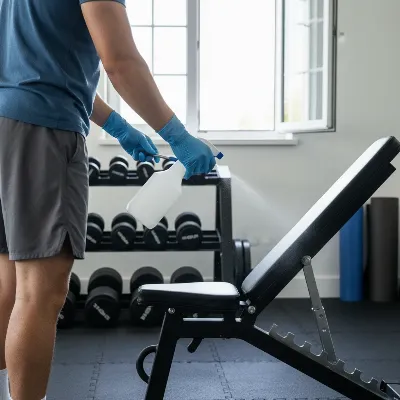 A person wearing gloves and safely cleaning a weight bench with a cleaning spray in a well-ventilated home gym.
Long-Term Maintenance for Enhanced Durability
Beyond routine cleaning, a few simple maintenance practices will significantly extend the life and ensure the safety of your weight bench. Regularly inspect all bolts, screws, and welds for looseness. Tighten any fasteners you find to prevent wobbling during use, which can not only be unsafe but also put unnecessary strain on the bench’s joints. Consider applying a light coat of silicone-based lubricant to any moving parts or adjustment mechanisms to reduce friction and further inhibit rust. When your weight bench is not in use, store it in a dry, safe location, ideally covered, to protect it from dust, moisture, and accidental damage. During workouts, placing a towel over the bench’s upholstery can absorb sweat and provide an additional layer of protection against wear and tear.
By integrating these cleaning and maintenance habits into your routine, your weight bench will remain a clean, safe, and reliable piece of equipment, supporting your fitness journey for many years to come.
Frequently Asked Questions
How often should I clean and disinfect my weight bench?
You should perform a quick wipe-down of your weight bench after every workout to remove sweat. A more thorough deep clean and disinfection should be done weekly to eliminate grime and sanitize surfaces effectively, targeting unseen pathogens.
What cleaning products are safe for weight bench upholstery?
For most weight bench upholstery, especially vinyl and synthetic leather, a solution of mild soap and warm water with a microfiber cloth is safe and effective. Avoid harsh chemicals, abrasive cleaners, bleach, and strong alcohol solutions, which can damage materials.
Can I use household bleach to disinfect my weight bench?
No, you should avoid using household bleach to disinfect your weight bench. Bleach can weaken materials, discolor finishes, and crack upholstery over time. Instead, use disinfectant wipes designed for gym equipment or a 70% isopropyl alcohol solution.
How do I prevent rust on the metal frame of my weight bench?
To prevent rust on the metal frame of your weight bench, always dry the metal immediately after cleaning. Regularly dust the frame and wipe it down with a damp cloth and mild soap. Consider applying a light coat of silicone-based lubricant to moving parts.
What are the most important safety tips when cleaning gym equipment?
When cleaning gym equipment, always consult the manufacturer's guidelines, ensure adequate ventilation, and wear protective gloves. Never soak the bench's padding, and keep cleaning fluids away from electronic components to prevent damage or electrical shock.
How to Clean and Disinfect Your Weight Bench
Follow these steps to effectively clean and disinfect your weight bench, ensuring hygiene and extending its lifespan.
Immediately after every use, wipe down the entire weight bench with a clean, dry microfiber cloth. This removes sweat and moisture, preventing immediate material degradation and bacterial growth.
Once a week, wipe the entire bench surface with a solution of mild soap and warm water using a microfiber cloth or sponge. Pay close attention to crevices and seams to remove accumulated dirt and grime.
After cleaning, disinfect all contact surfaces using gym-specific disinfectant wipes or a 70% isopropyl alcohol solution. Ensure the disinfectant remains wet for the product's recommended dwell time before wiping dry or air drying.
Address different materials appropriately: use specialized leather cleaner for genuine leather, vacuum fabric upholstery, and dry metal frames immediately after cleaning to prevent rust. Avoid harsh chemicals on all surfaces.
Regularly inspect and tighten all bolts and screws to prevent wobbling. Apply silicone-based lubricant to moving parts and store the bench in a dry, covered location when not in use to protect it from dust and moisture.

This was super helpful! I never really considered how much skin oils and dust accumulate on my bench. I’ve been following the steps for a weekly deep clean, and my bench looks and feels so much better. It’s great to know I’m extending its lifespan and keeping my workout space hygienic.
I used to just wipe my bench down with a damp rag, but after reading about the importance of disinfecting, I’ve started using 70% isopropyl alcohol once a week. It really makes a difference in preventing those funky gym odors. My bench feels much cleaner and I’m not worried about bacteria anymore.
I appreciate the advice on preventing rust formation, as I’ve had issues with that on previous benches. However, I wish there was a bit more detail on specific gym-specific wipes that are safe for different upholstery types. I’m always a little hesitant to just grab any wipe without knowing if it’ll damage the material over time.
Good tips here! I’ve been pretty good about wiping down my bench after every use with a microfiber cloth to get rid of sweat, but I hadn’t thought much about a deeper clean. The suggestion to use mild soap and water for a weekly scrub is something I’m definitely adding to my routine. It’s important to keep the equipment in good shape.