Yes, you can bench press safely at home without a spotter by utilizing essential safety equipment like a power rack with safety pins, mastering proper lifting techniques, and knowing emergency bailout methods. While a spotter offers the ultimate safety net, strategic precautions allow solo lifters to build upper body strength confidently and effectively in a home gym. Understanding the inherent risks and implementing these measures are crucial for productive and safe solo bench press sessions.
Understanding the Risks of Solo Bench Pressing
Bench pressing alone, especially with a barbell, carries significant risks. The primary danger is failing a repetition and becoming trapped under the bar. This can lead to severe injuries, including shoulder strains, pectoral tears, or, in the worst-case scenario, suffocation if the bar rolls onto your neck. Another critical risk is the barbell slipping from your hands, particularly if using an improper grip, which can result in the bar crashing onto your face or chest. Overestimating your strength or pushing to complete muscle failure without a spotter exacerbates these dangers, turning a productive workout into a potentially hazardous situation. Recognizing these risks is the first step toward implementing effective safety measures.
Essential Equipment for Solo Bench Press Safety
Investing in the right equipment is non-negotiable for safe solo bench pressing at home. These tools act as your mechanical spotters, ready to catch the weight if you cannot complete a lift.
Power Racks or Squat Stands with Safety Pins
The single most important piece of equipment for safe solo barbell bench pressing is a power rack (also known as a power cage) or a sturdy squat stand equipped with adjustable safety pins, spotter arms, or crash bars. These provide a fail-safe mechanism, catching the barbell if you can’t lift it.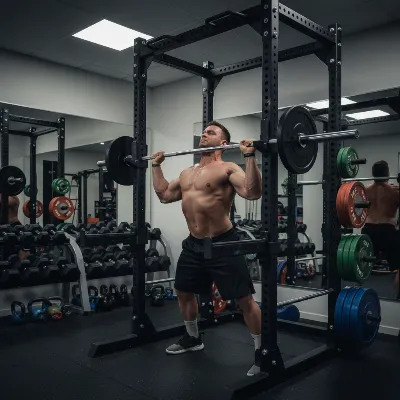 A person bench pressing inside a robust power rack with safety pins set at the correct height, demonstrating a secure home gym setup.When setting up, ensure the safety pins are positioned slightly below the point where the barbell touches your chest at the bottom of a full range of motion. This height allows you to perform the exercise correctly without hitting the pins, but provides immediate relief if you fail, letting you lower the bar onto them and safely slide out from underneath. Always test the setup with an unloaded bar first to confirm the correct height before adding weight.
Sturdy Bench and Barbell
Beyond the safety rack, a high-quality, stable weight bench is crucial. A wobbly or unstable bench can compromise your form and lead to accidents. Ensure your bench is rated for your body weight plus the maximum weight you intend to lift. Similarly, use a well-maintained barbell with a secure knurling for a firm grip.
Independent Spotter Stands
|
Our Picks for the Best Weight Bench in 2026
As an Amazon Associate I earn from qualifying purchases.
|
||
| Num | Product | Action |
|---|---|---|
| 1 | Adjustable Weight Bench - 1000LBS Capacity Heavy Duty Foldable Workout Bench for Full Body Exercise, Flat/Incline/Decline, Bench Press for Home Gym with Preacher Pad & Leg Extension |

|
| 2 | Adjustable Weight Bench, Foldable Workout Benches for Home Gym, 10 Backrest Position Exercise Bench for Strength Training, Upgraded Thickened Steel Support Max Capacity 700LBs |
|
| 3 | Assemble-Free Foldable Weight Bench Press for Home Gym, 660 LBS Capacity Incline Decline, Sit-up Bench for Full-Body Strength Training |
|
| 4 | CAP Barbell Multi-Purpose Adjustable Utility Strength Training Weight Bench | Multiple Options |
|
| 5 | Marcy Multi-Purpose Adjustable Workout Utility Weight Bench for Full Body Upright, Incline, Decline, and Flat Exercise SB-228 , 42.00 x 26.00 x 48.00 inches, Black |
|
| 6 | Amazon Basics Adjustable Workout Weight Bench Press, Foldable for Home Gym, Black |
|
| 7 | Marcy Exercise Utility Bench for Upright, Incline, Decline, and Flat Exercise SB-261W , Black , 42.00 x 19.00 x 51.00 inches |
|
| 8 | Yoleo Adjustable Weight Bench for Full Body Workout; Foldable Bench Press Bench of Home Gym Strength Training; Incline Decline Flat Utility Workout Bench with Quick Folding& Fast Adjustment (Black) |
|
| 9 | Adjustable Weight Bench for Home Gym, Foldable Workout Bench for Full Body Fitness Dumbbell Exercise, 600LBS Incline Decline Flat Bench with Resistance Bands for Strength Training |
|
| 10 | Yoleo Adjustable Weight Bench, 660LB Foldable Workout Bench with Extended Head/Neck Protection/Spine Support for Bench Press, Fast Folding Incline Decline Flat Bench |
|
If a full power rack isn’t feasible due to space or budget, independent spotter stands can serve as an alternative. These two-piece units are designed specifically for bench pressing and offer adjustable height settings and a wide base for stability. While they don’t enclose you like a power rack, they provide a reliable catch for the barbell. Ensure they are robust, stable, and correctly positioned on either side of your bench.
Safe Lifting Techniques When Training Alone
Even with the best equipment, proper technique and a smart approach are vital when bench pressing without a spotter.
Master Proper Form and Grip
Correct form is always important, but especially so when alone. Position your hands evenly on the bar, typically slightly wider than shoulder-width. Always use a full “thumbs-around” grip to secure the bar firmly in your hands, preventing accidental slips. Avoid the “suicide grip” (thumbless grip) as it significantly increases the risk of the bar falling. Lower the bar in a controlled motion, aiming for your mid-chest, and maintain a stable body with feet firmly planted for leg drive.
Avoid Training to Absolute Failure
When you don’t have a spotter, it’s wise to avoid pushing yourself to absolute muscle failure, especially on your heaviest sets. Aim to leave 1-2 repetitions “in the tank” – meaning you could have performed one or two more reps but choose not to. This approach reduces the risk of getting stuck and allows for consistent, safer progression. Gradually increase weight and volume over time, rather than attempting sudden, large jumps.
The “No Collars” Rule (for Emergency Barbell Dumping)
While conventional wisdom dictates using collars to secure weight plates, an important exception applies to solo barbell bench pressing without proper safety pins. In an emergency, if you become pinned and lack a power rack, not using collars allows you to tilt the barbell to one side, letting the weight plates slide off. The sudden imbalance will cause the other side to tip, dumping the remaining plates.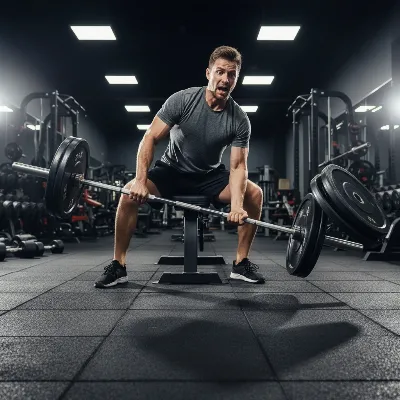 A person demonstrating an emergency barbell bailout during a failed bench press without clips, tilting the bar to dump plates.This is a loud and potentially damaging maneuver for your equipment and floor, but it can be a life-saving last resort. It’s crucial to understand this technique, but rely on safety racks as your primary defense.
The “Roll of Shame”
If you find yourself stuck with a barbell on your chest and no other escape method (no safety pins, collars are on), the “roll of shame” is a last-ditch technique. This involves carefully rolling the barbell down your sternum, over your abdomen, and then sitting up as you push the bar away towards your hips. This can be painful and is not recommended as a regular bailout strategy, but it’s an option to be aware of in dire circumstances.
Effective Alternatives to Barbell Bench Press at Home
If you’re still uncomfortable with the risks of solo barbell bench pressing or lack the necessary safety equipment, several excellent alternatives can effectively build chest strength.
Dumbbell Bench Press and Dumbbell Floor Press
Dumbbells offer a safer alternative for solo pressing because they can be easily dropped to the sides if a rep fails. The dumbbell bench press works the same muscle groups as its barbell counterpart, often allowing for a greater range of motion. The dumbbell floor press is even safer, as the floor naturally limits the range of motion and acts as a stopping point for your elbows, protecting your shoulders and providing a built-in safety mechanism.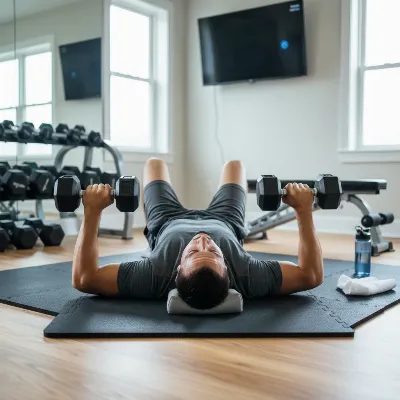 A person performing a dumbbell floor press, demonstrating a safe and effective chest exercise for solo home workouts.
Machine-Based Chest Exercises
Gym machines, such as the machine chest press, provide a fixed path of motion and often include built-in safety mechanisms, making them very safe for solo use. They allow you to focus purely on pushing the weight without needing to stabilize it, which can be beneficial for beginners or when pushing heavier loads. However, exercise caution with the Smith machine for bench pressing. While it offers a fixed path, some experts warn against it due to the unique risk of entrapment if you fail a rep and cannot re-rack the bar into its slots, with tragic incidents reported in the past.
Bodyweight and Resistance Band Exercises
Push-ups, in their various forms (standard, elevated, decline), are a versatile and effective bodyweight exercise for chest development, requiring no equipment and carrying virtually no risk of entrapment. Resistance band chest presses and flyes also offer progressive resistance and can be safely performed alone, making them excellent choices for building foundational strength or adding variety to your routine.
Building Confidence and Consistency
Bench pressing safely without a spotter at home requires a combination of appropriate gear, meticulous technique, and a healthy respect for the lift’s potential dangers. Always prioritize safety over ego. Start with lighter weights to perfect your form and build confidence with your chosen safety measures. Gradually increase the load as your strength improves, always staying within your known limits and leaving a rep or two in reserve. By carefully planning your workouts, utilizing essential safety equipment, and mastering alternative exercises, you can consistently challenge your chest, shoulders, and triceps in your home gym, achieving your strength goals securely and independently.

As someone who works out exclusively in my home gym, the fear of failing a rep on the bench has always held me back from really pushing my limits. The detailed explanation of understanding the inherent risks and how to mitigate them was exactly what I needed. I feel much more prepared to tackle heavier weights now that I’ve implemented these precautions.
I appreciate the focus on safety, especially the emergency bailout methods. I’ve had a few close calls, so knowing how to ditch the weight safely is crucial. However, I found some of the advice a bit basic for someone who’s been lifting for a while. It’s a good starting point for beginners, but I was hoping for more advanced solo benching strategies.
I’ve been benching at home for years and always felt a bit nervous without a spotter. The tips here about using a power rack with safety pins were a game-changer for me. I finally invested in one, and now my solo sessions feel so much safer and more confident. It’s great to push myself without that constant worry of getting stuck.
This was a really helpful read! I’ve been trying to improve my bench press form, and the emphasis on proper lifting techniques really resonated. I’ve been focusing on my grip and arch more, and I can already feel a difference in stability. My only minor complaint is that I wish there were more specific recommendations for affordable safety equipment brands.